🏮
Tokyo
neon, iconic crossings, anime paradise and vintage neighborhoods
No figuring out Japanese train lines or spending hours booking tickets on Japanese websites — it’s all arranged. All that’s left is to enjoy it: sunrise at Fuji, the bamboo forest, takoyaki on a neon-lit street.
It’s for first-timers who don’t want to miss a thing — and for those who’ve been before but feel they never saw the real Japan. For anyone who wants a balance of culture, food and everyday local life instead of racing through a checklist. If that sounds like you, we’re headed the same way.
neon, iconic crossings, anime paradise and vintage neighborhoods
mountain lakes, sunrises and a quiet so deep you can hear yourself think
want to see all these places your own way? send us a request and we’ll build a route around you
harmony with friendly deer and ancient history
thousands of torii at Fushimi Inari, Arashiyama bamboo, evenings with maiko
cyberpunk contrasts: street food and evening lights
Every day brings stories you’d never find on a standard tourist route. You’ll come home not with souvenirs, but with stories and a new way of seeing things.
Sunrise with a view of sacred Mount Fuji
A walk through Arashiyama’s legendary bamboo grove
Thousands of red gates at Fushimi Inari — Kyoto’s most iconic view
Meeting the friendly deer of Nara Park
Akihabara’s anime paradise and the vintage streets of young Tokyo
An evening walk through Gion and a chance to spot a maiko
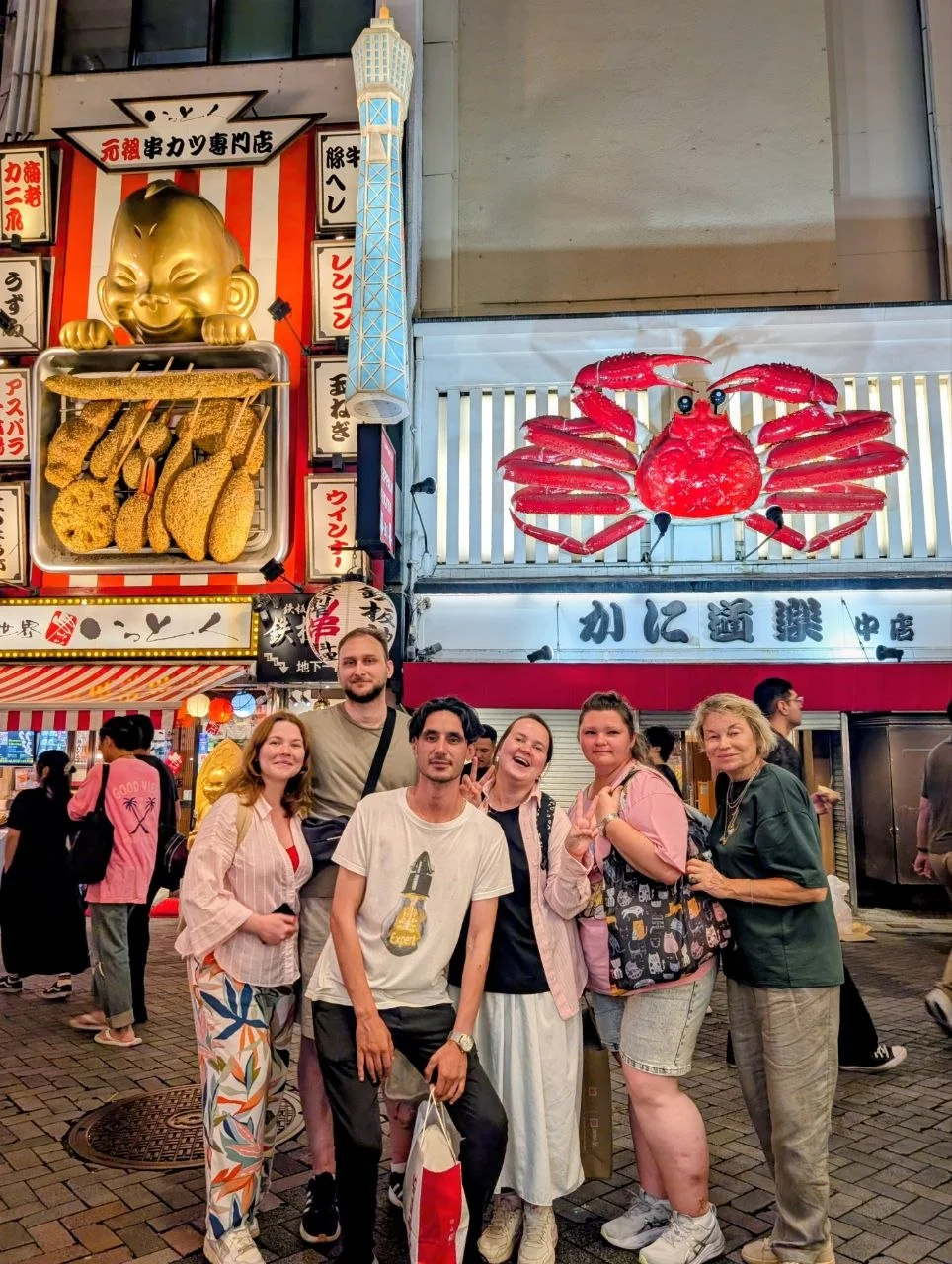
Dotonbori street food: takoyaki, okonomiyaki, ramen
Japanese onsen: hot springs and total relaxation
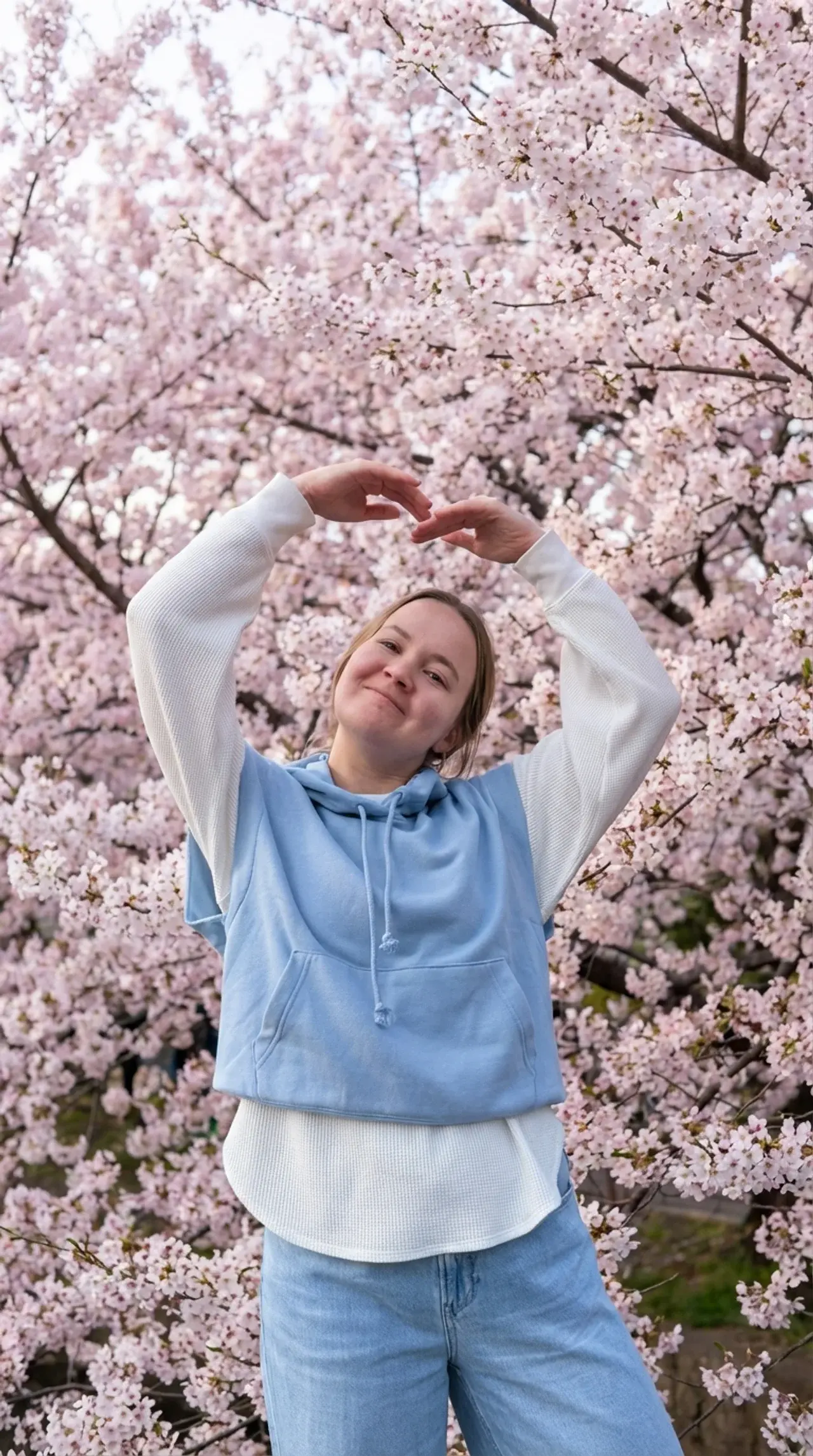
I believe every place has its own magic. My story with Japan began before I was born: it was there that my parents gave me the start of my life. Thirty years later I returned to the same city — and found out I was expecting a child. Ever since, I’ve called it Japanese magic: that invisible thread that brings us back to the right places at the right time.
I’m a philologist and researcher of Japanese culture: I studied Japanese literature, wrote academic work on Japanese culture and hosted my own radio podcast about Japanese cinema. The whole time, one thing drove me — not just telling people about Japan, but helping them feel it more deeply.
Today I create journeys through stories, flavors, traditions, encounters and emotions. Trips that leave you with more than photos — with the feeling that you came back a different person.
I design the routes, and on the ground you’re met by the guides we work with — people who have lived in Japan for years. They know the country from the inside: not from guidebooks, but from their own neighborhoods, favorite spots and places tour groups rarely reach.
We meet you at the airport and ride the train together to the hotel. If you land earlier or later than the group, you can easily make the same trip on your own — we’ll walk you through the route. After check-in, time for a shower and some rest after the flight.
An easy walk and dinner at an atmospheric spot where locals hang out: Japanese beer and delicious seasonal dishes. Good conversation with the group, first impressions and slowly tuning in to Japan.
We head to Asakusa, to Tokyo’s oldest temple. We pass under the Kaminarimon gate with its huge red lantern, walk down Nakamise street lined with sweet and souvenir stalls, make a wish and draw an omikuji fortune. Mornings are the quietest time here: the stalls are just opening and the crowds haven’t arrived yet.
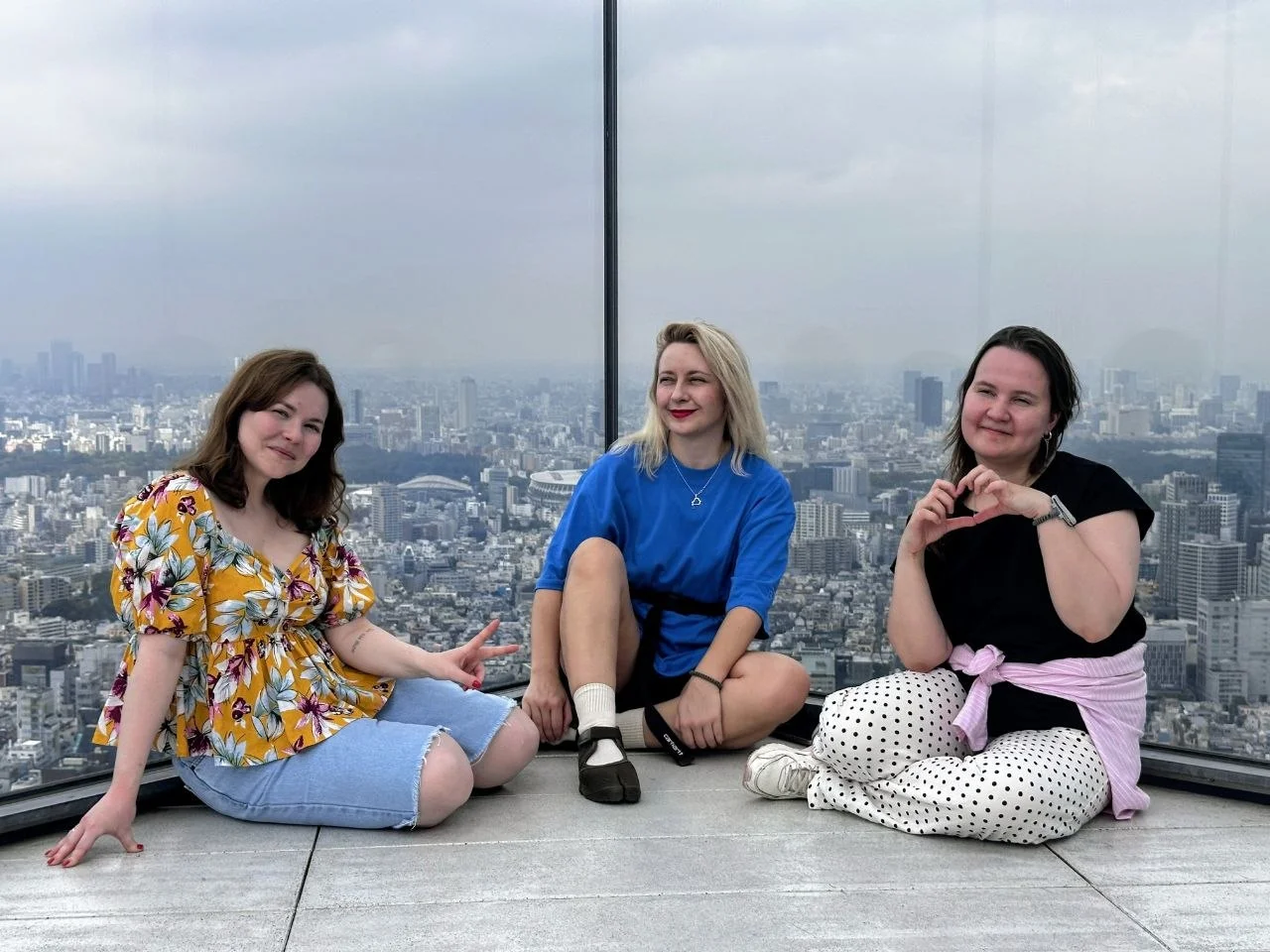
We start with the city’s busiest districts to catch and feel the rhythm of the capital.
We begin in Akihabara, the heart of Japanese pop culture. Manga, anime, game centers, themed stores — even if you’re not a fan, it’s a fascinating layer of modern Japan.
This area is a mecca for anime, manga and video game fans.
Then Ginza. A completely different rhythm: architecture, brands, carefully designed spaces. A contrast after Akiba: white façades, mirrored buildings, perfect shop windows.
Perfect for soaking up the atmosphere of modern urban luxury.
We stop in quiet Setagaya, at the temple said to be the birthplace of the maneki-neko. More than a thousand cat figurines with a raised paw stand on the grounds, left by people whose wishes came true. Entry is free, there are few tourists, and the streets around the temple are full of cats on signs and in shop windows.
We dive into young Tokyo, home to the city’s best vintage shops:
Narrow lanes, street art, music, tiny coffee shops — everything that makes Tokyo feel alive and warm. In the evening, we transfer to our hotel near Fuji.
We leave Tokyo and spend the day around Lake Kawaguchiko.
Wake up in the quiet of nature with the mountain right in front of you. A slow morning: warm coffee, Japanese sweets, soft light and a feeling of being completely at one with nature.
We head down to the lake for an easy stroll along the shore: mirror-like water, clean mountain air and classic views of Fuji’s iconic silhouette. If you like, you can rent a bike along the shore — an easy ride, fresh air, the scent of pine and sakura, and Fuji views at every turn.
We stop at an authentic village with old-style thatched-roof houses. The atmosphere of old Japan: craft workshops, local sweets, seasonal produce, cozy courtyards. We’ll also visit the famous spots you’ve surely seen on Pinterest and postcards:
After a full day, we head to Kyoto, carrying that sense of calm and Japanese zen with us.
We visit one of Japan’s most iconic shrines, climbing a path lined with endless torii gates — a red corridor stretching up the sacred mountain.
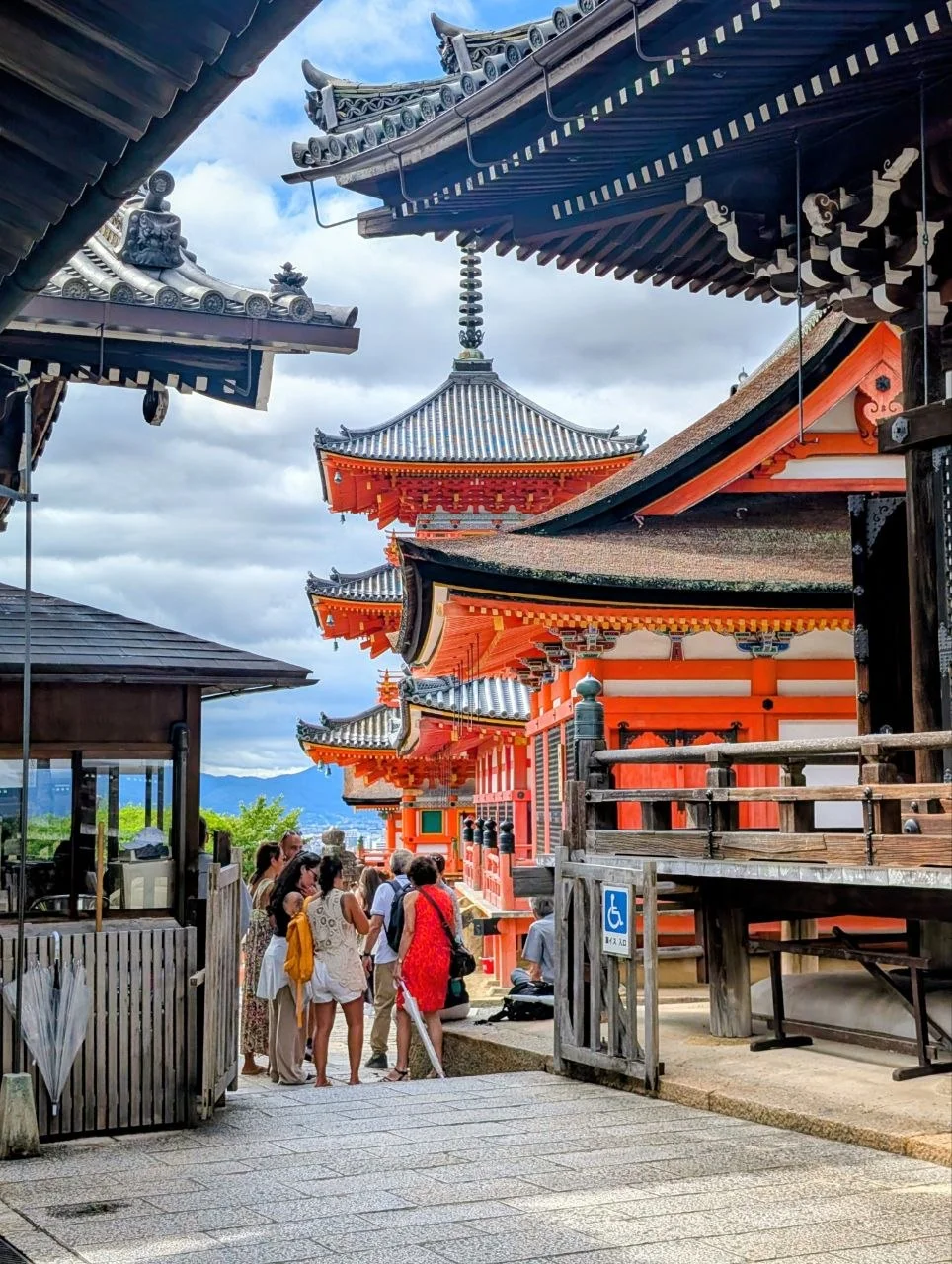
We climb to the legendary temple with its wooden terrace. From the deck you get a panorama of the whole city: mountains, rooftops and endless green hills.
We wander down into the old district of teahouses, craft shops and lanes where you’ll want to photograph every step. This is where you truly feel the spirit of Kyoto.
We head to Arashiyama, Kyoto’s green gem. We walk through the famous bamboo forest, feel its fairy-tale atmosphere and take iconic photos among the towering stalks.
We hike up the hill to the free-roaming Japanese macaques. At the top: dozens of funny monkeys and a gorgeous panorama of Kyoto.
We end the day at the Golden Temple, reflected in its mirror pond. A calm, almost meditative place — one of Kyoto’s signature sights.
One of the most beautiful moments of the trip — calm and almost cinematic.
A narrow lane along the Kamo River: hundreds of tiny bars and restaurants, traditional food, river views, music, soft light and pure Japanese atmosphere. The perfect place to feel Kyoto’s evening soul.
Depending on the mood, we drop into a jazz bar, a whisky and sake bar, or a tiny themed bar that seats 6–8. Kyoto is the capital of concept bars. Intimate and beautiful.
The perfect way to unwind: hot springs, sauna, open-air pools under the sky (rotenburo) and a tea lounge. The ideal moment to recharge before new adventures.
In the morning we travel from Kyoto to Nara — just 45 minutes by train, very comfortable. Nara is a calm, warm, green city where history and nature truly blend together.
We start with the best part — one of the most heartwarming places of the whole trip.
Real therapy — nature and quiet.
One of the country’s most important sacred sites: the vast Daibutsuden hall and the Great Buddha statue — one of the largest in the world — with powerful energy and a sense of deep antiquity. A must-see in Nara.
Right next to the park, a beautiful complex: a five-story pagoda and a calm pond with reflections (some of the best shots of the trip), with the feel of the ancient capital.
After the park we move into the more urban part of town: traditional wooden houses, small craft shops, old sweet shops and Japanese-style cafés. The perfect walk to feel old Japan.
We try local specialties: Nara’s kakinoha sushi (wrapped in persimmon leaves), udon, tofu dishes and matcha desserts.
We start the day at the city’s main symbol. Classic Japanese architecture, a cherry-tree park all around and gorgeous views from the lookout. Perfect for photos and an easy stroll.
Osaka is the capital of street food, and Dotonbori is where you feel it 100%. What we’ll try:
A photo with the Glico Man (the famous glowing running man) is a must.
America-mura — a neighborhood for lovers of style, graffiti and street fashion — plus bar-hopping: cocktail bars and karaoke nearby.
A ride on the Ferris wheel — best by day or toward sunset. Views of the bay, bridges and skyscrapers.
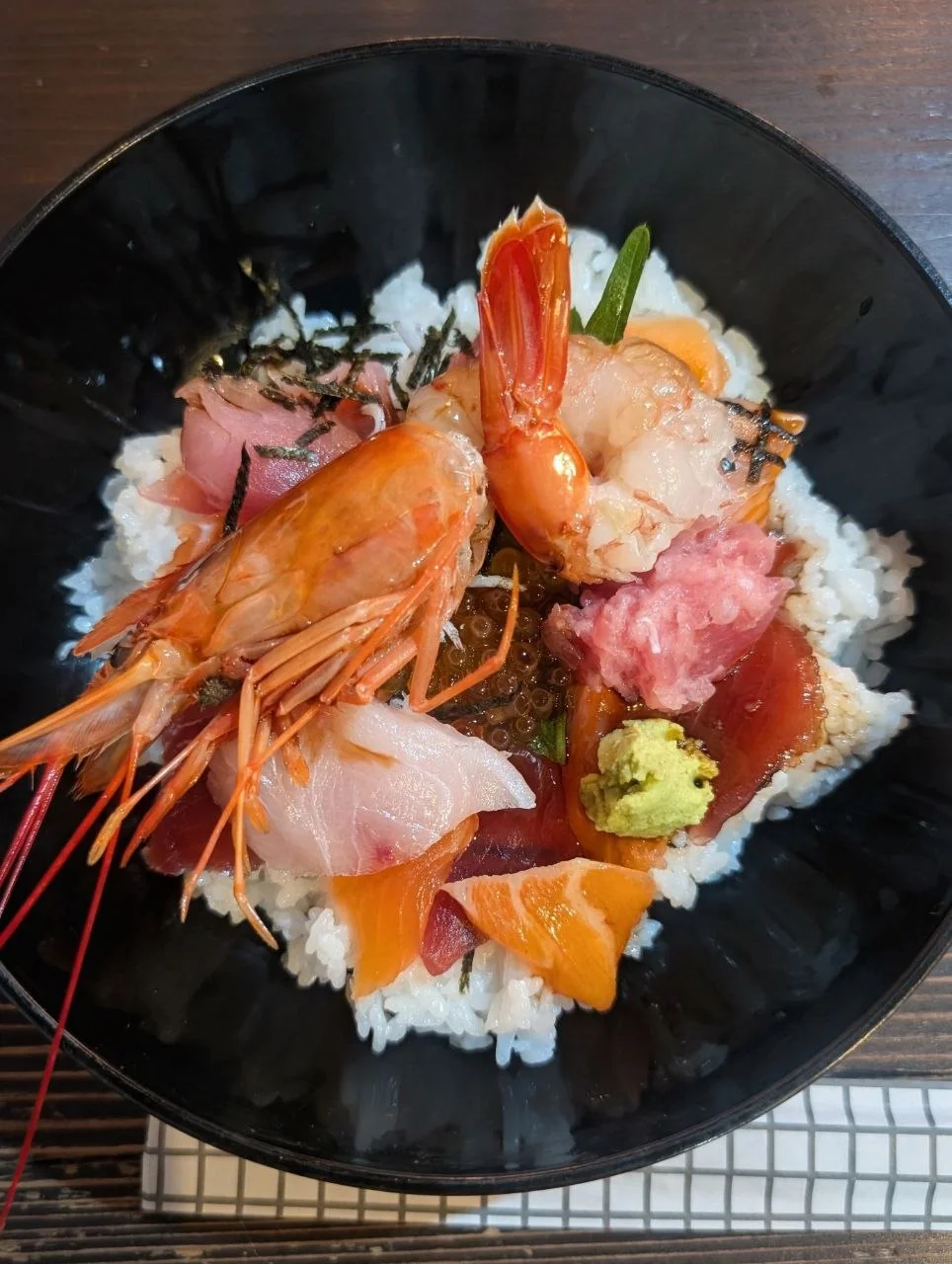
Fresh seafood, ramen or a fish set menu. A quiet, pleasant atmosphere by the water.
Shinsaibashi Shopping Street and Don Quijote, Japan’s cult discount store, are perfect for this. Pick up gifts, cosmetics, Japanese sweets and electronics.
A delicious farewell dinner, then getting ready to fly home.
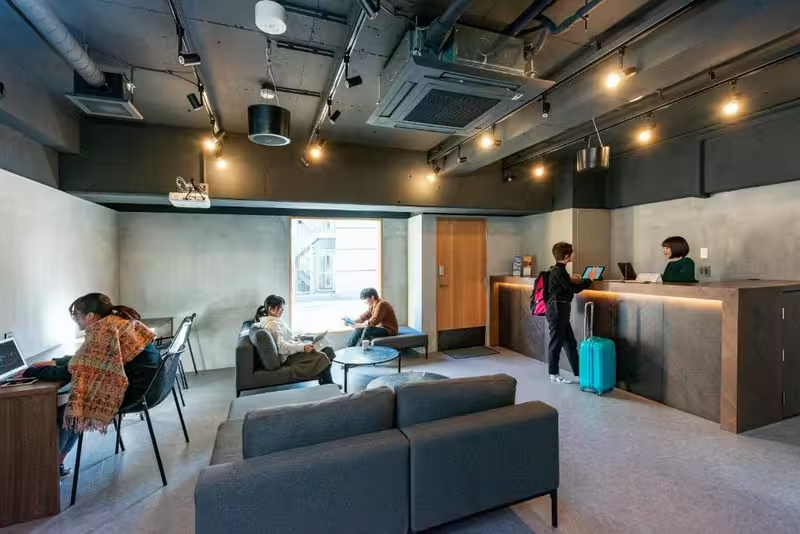
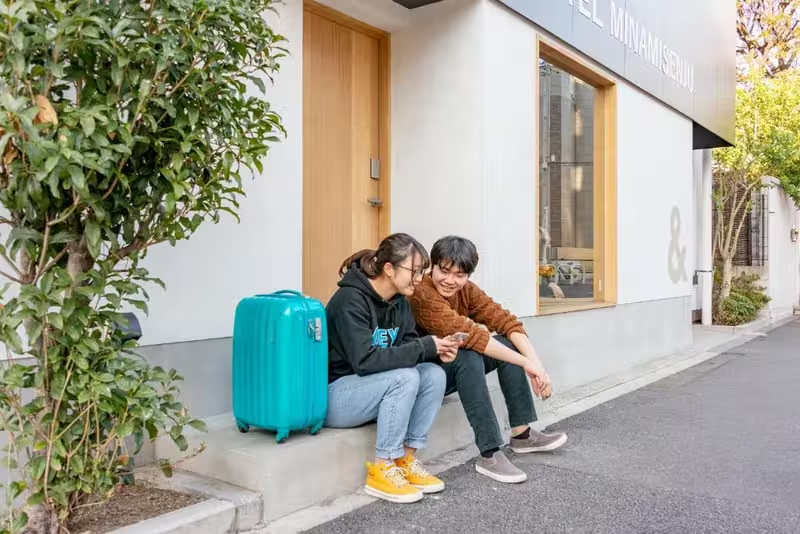
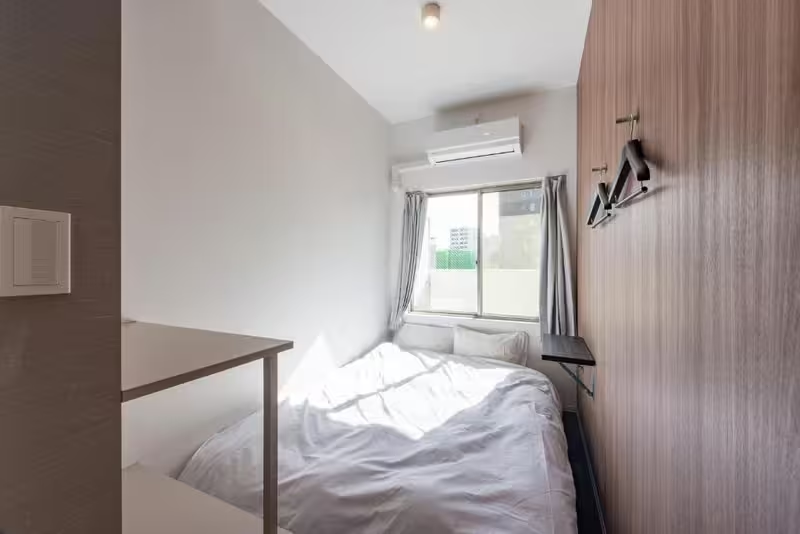
We stay in a lively area with great transport links — the main stops on the route are close by. Modern, clean and cozy, with a shared lounge where it’s easy to meet fellow travelers. Choose a double or a single room.
Sleep on tatami in a Japanese-style house — true immersion in old Kyoto, especially peaceful in the evenings. On some departures, the stay includes an onsen.
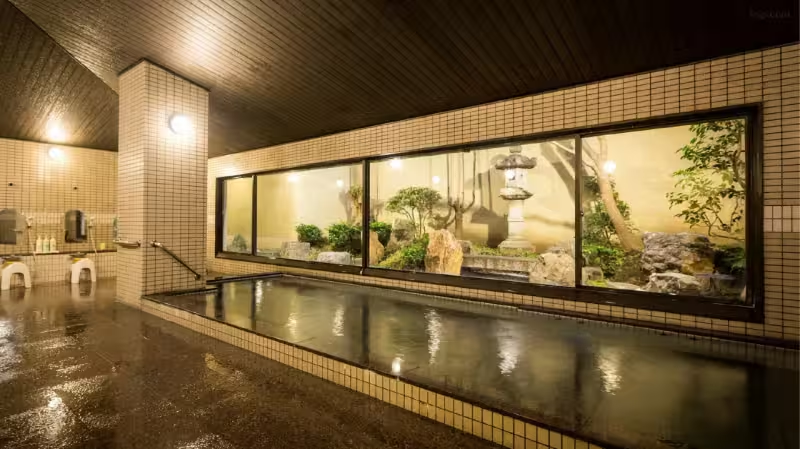
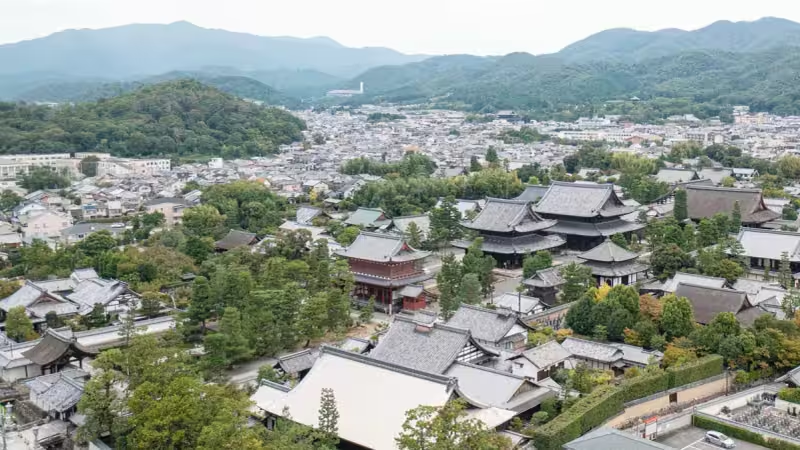
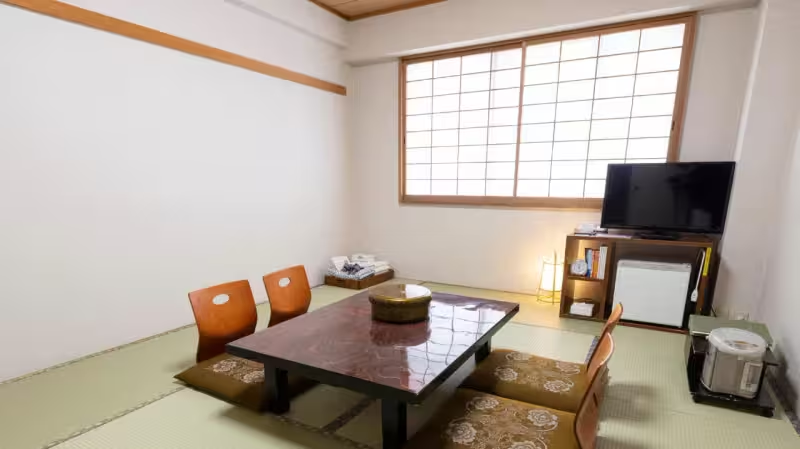
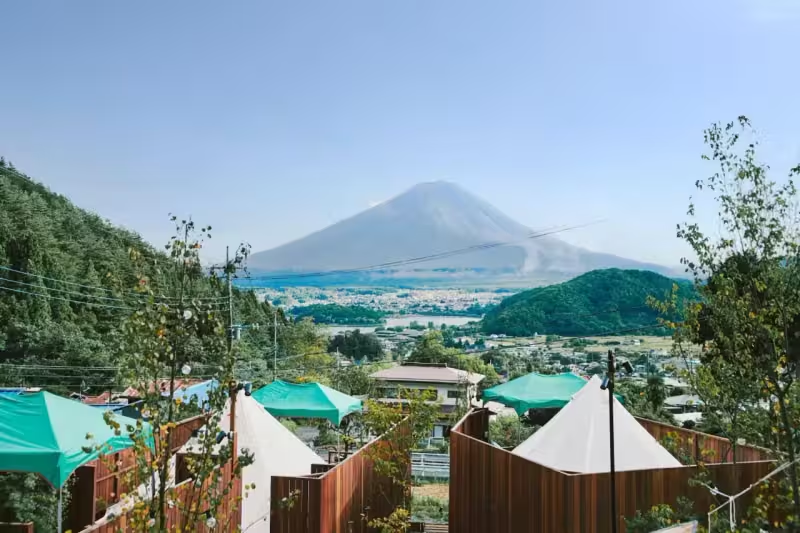
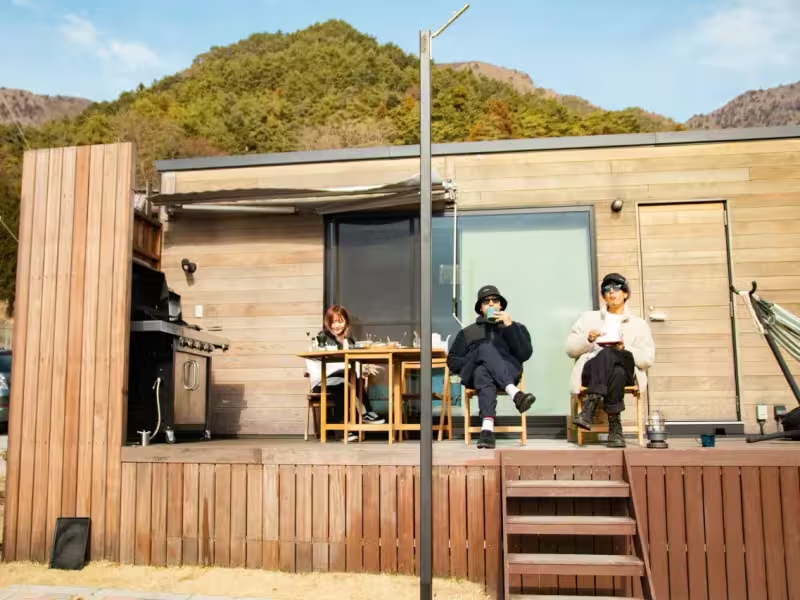
One night by Lake Kawaguchiko with a view of Fuji. The type of lodging depends on the season and availability, but the essentials never change: silence, mountain air and sunrise with the sacred mountain’s silhouette on the horizon.
We spend the final nights in a comfortable hotel close to the city’s main sights: freshly renovated, everything you need at hand and a convenient base for last walks and shopping before your flight.
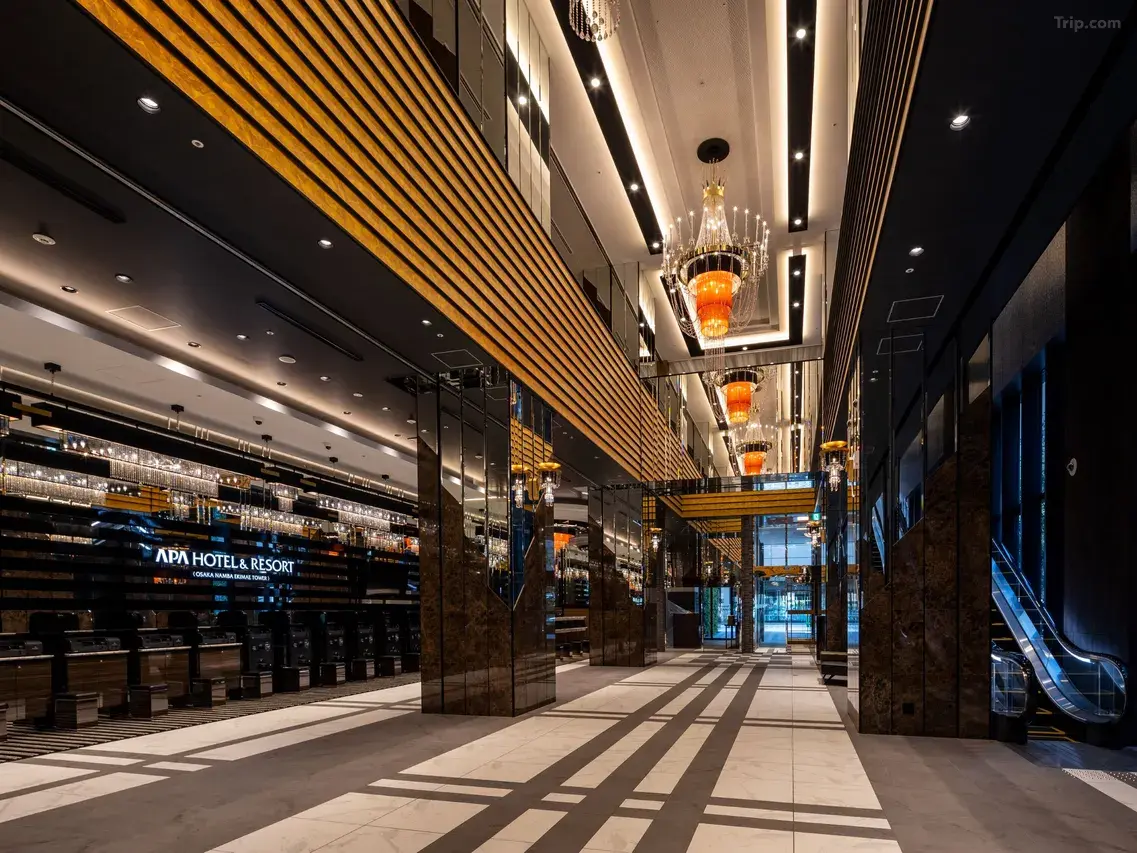
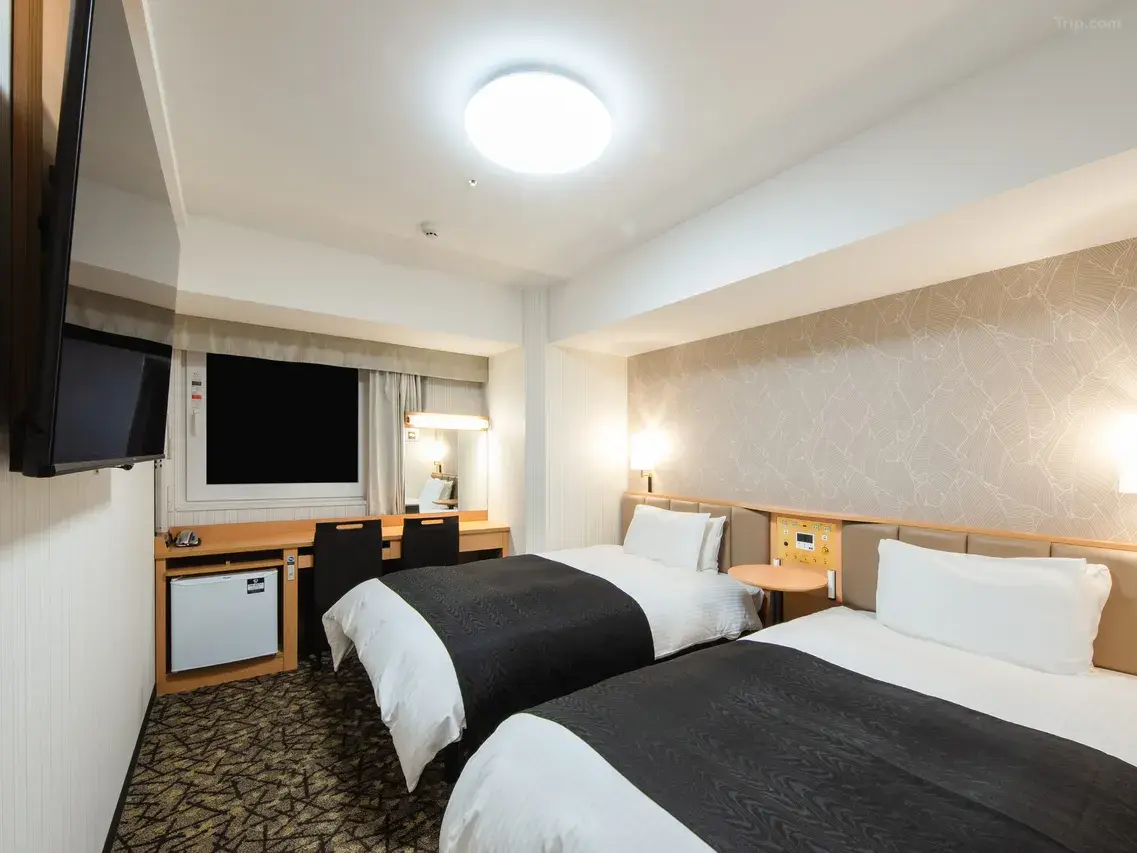
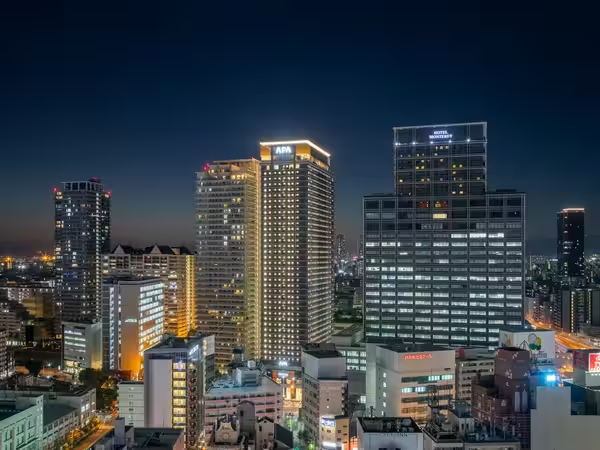
Photos show the style and standard of accommodation. Specific hotels are chosen for each departure date and group — we’ll send the exact list once your booking is confirmed.
Our September group: Tokyo, Fuji, Kyoto and Osaka — ten days we’ll always remember
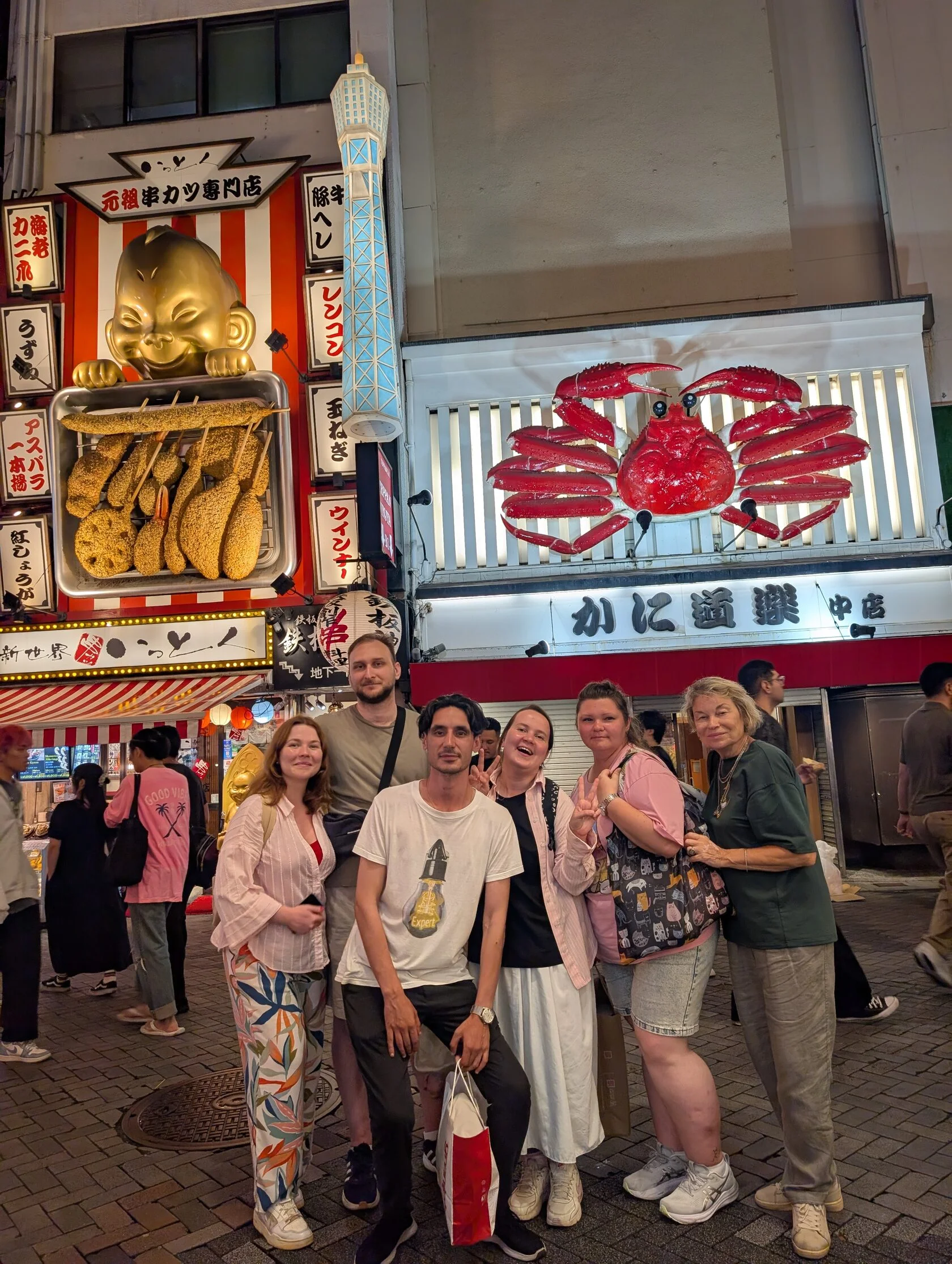
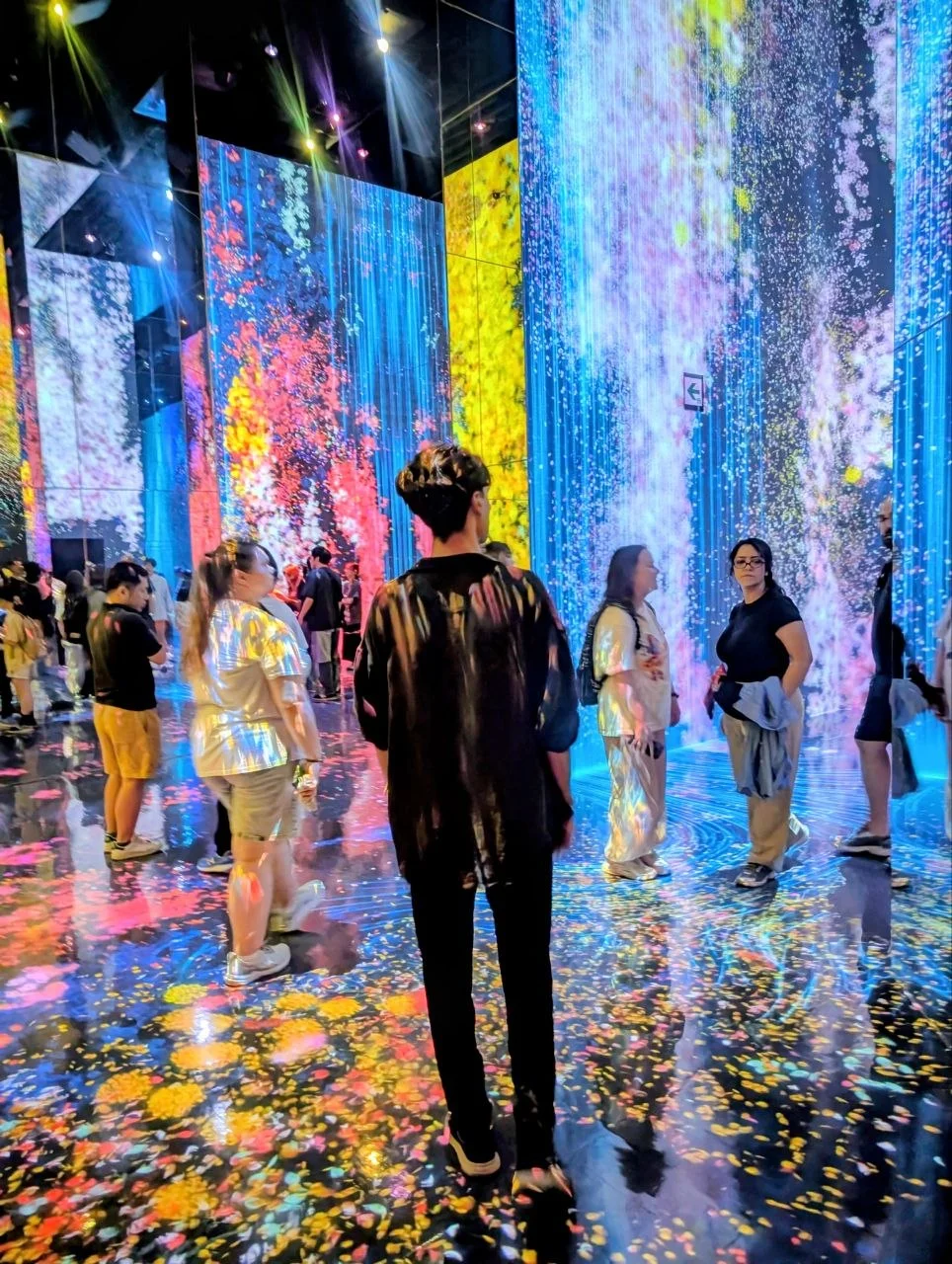
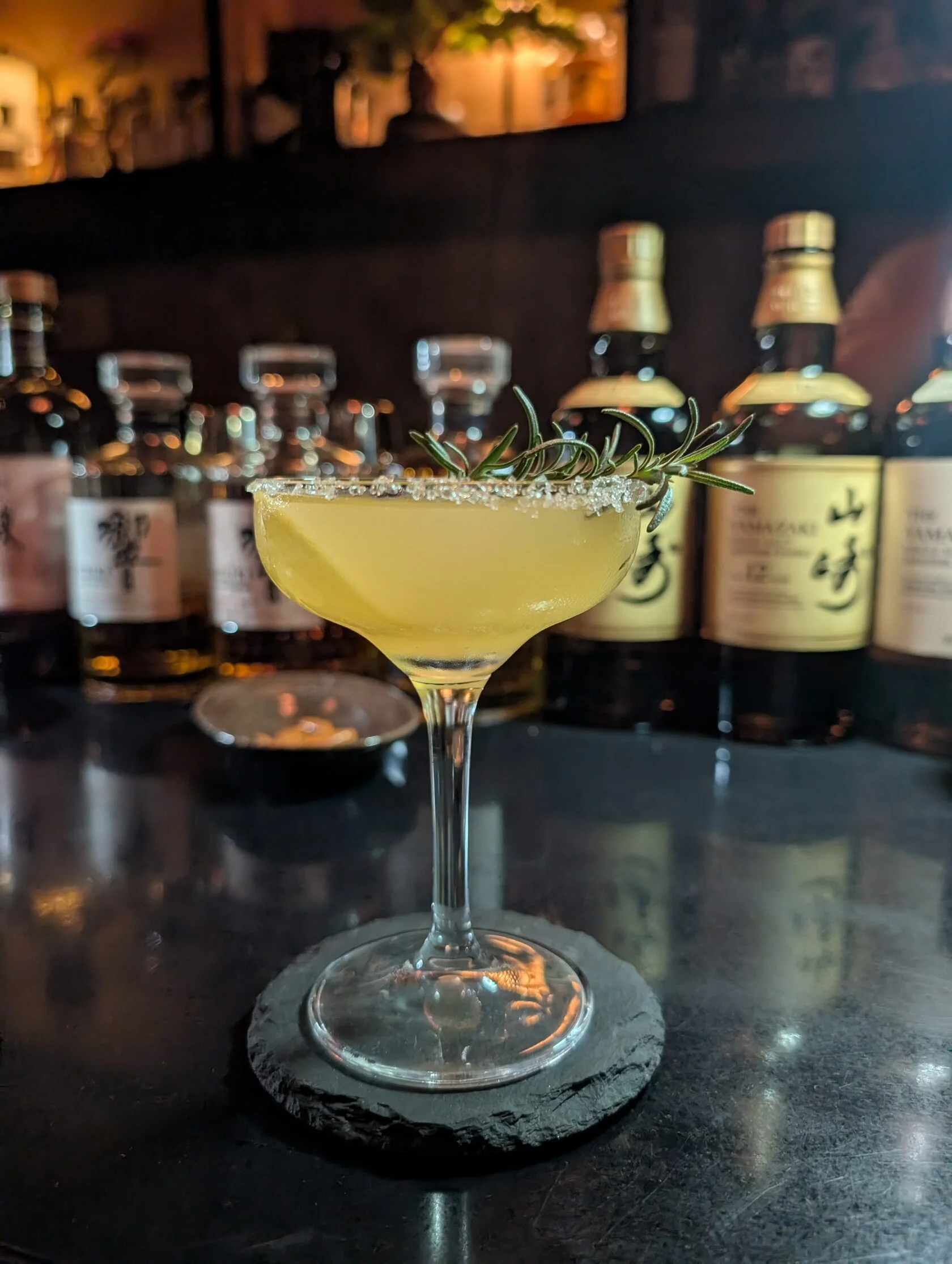
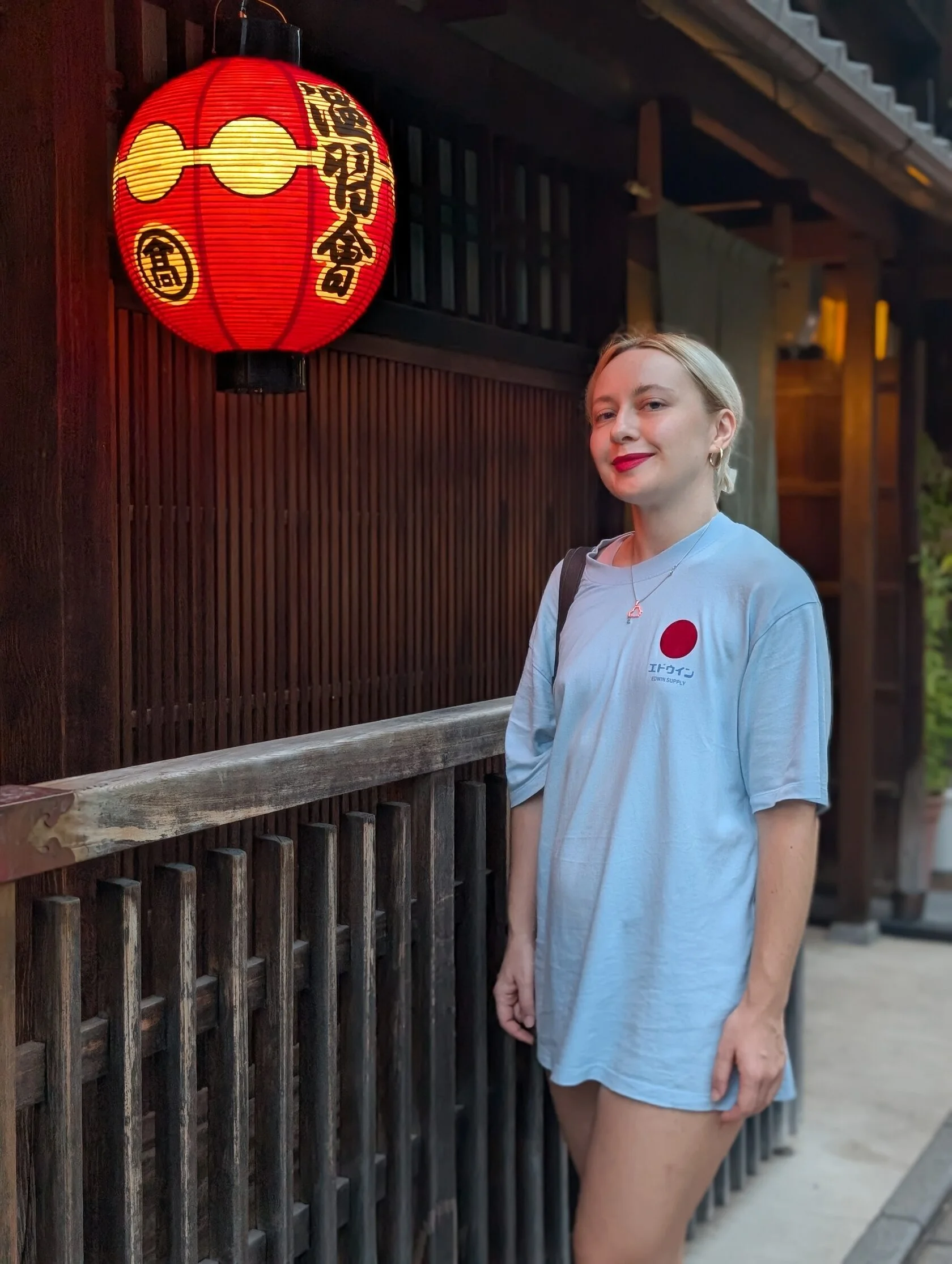
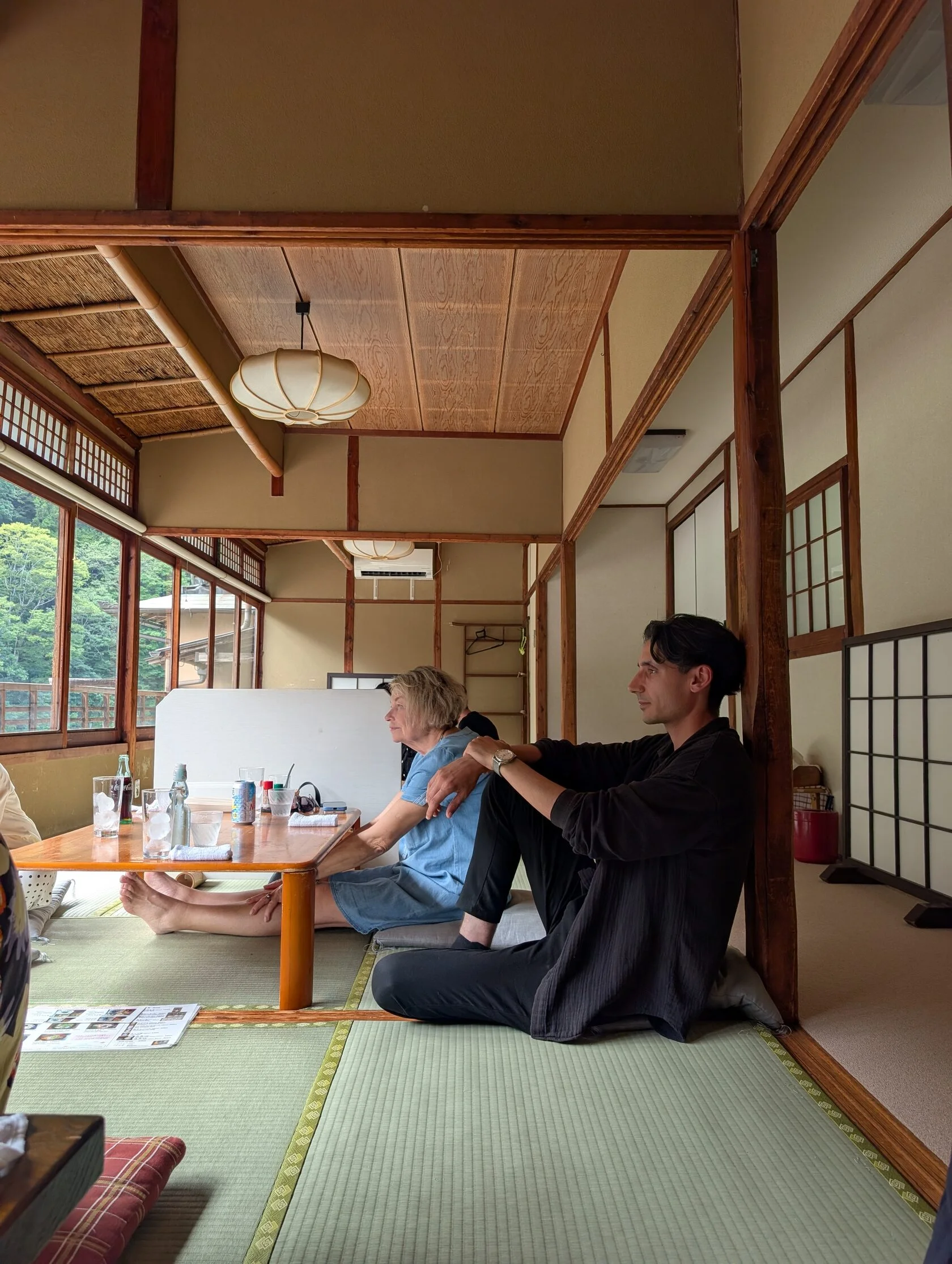
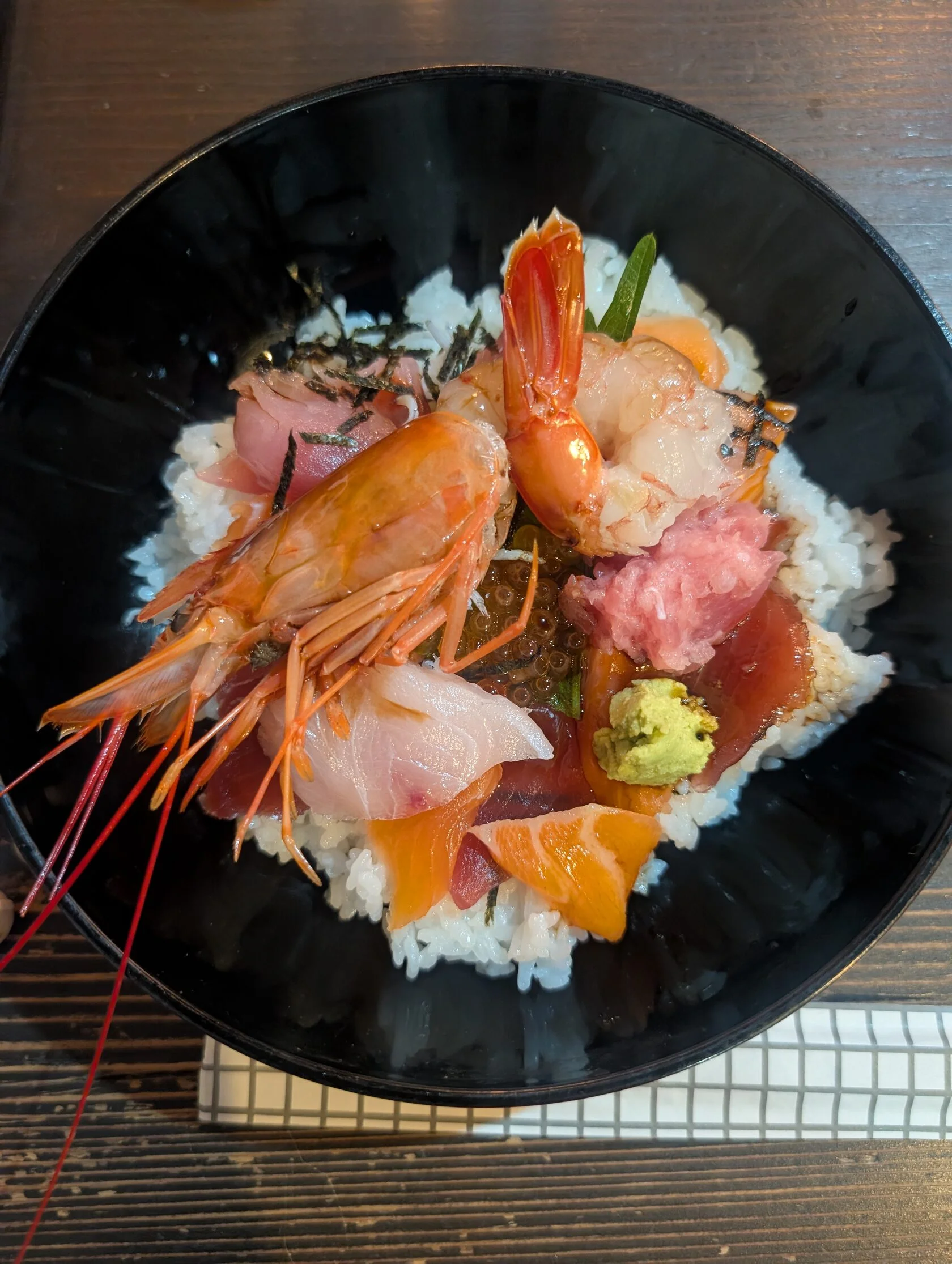
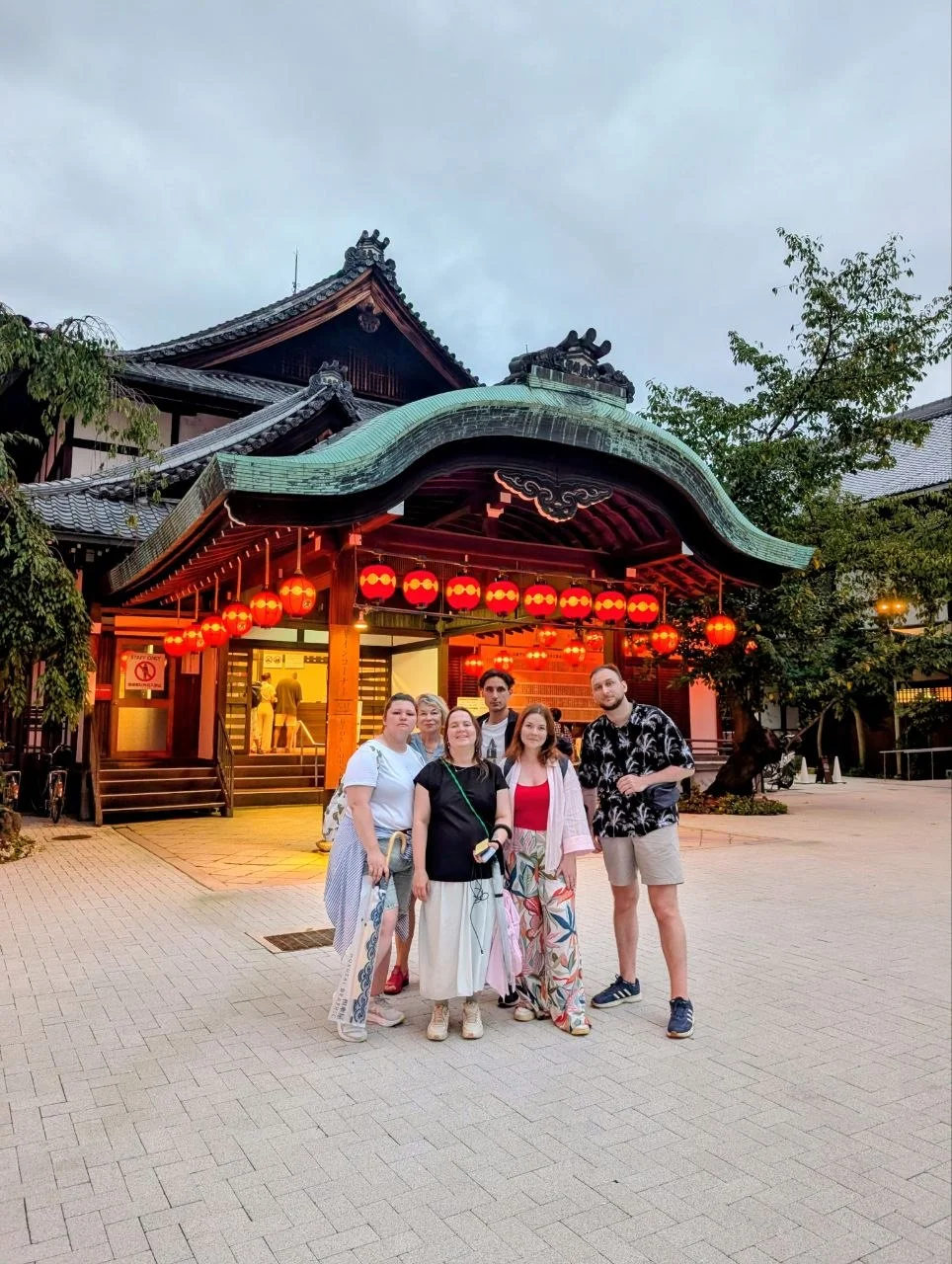
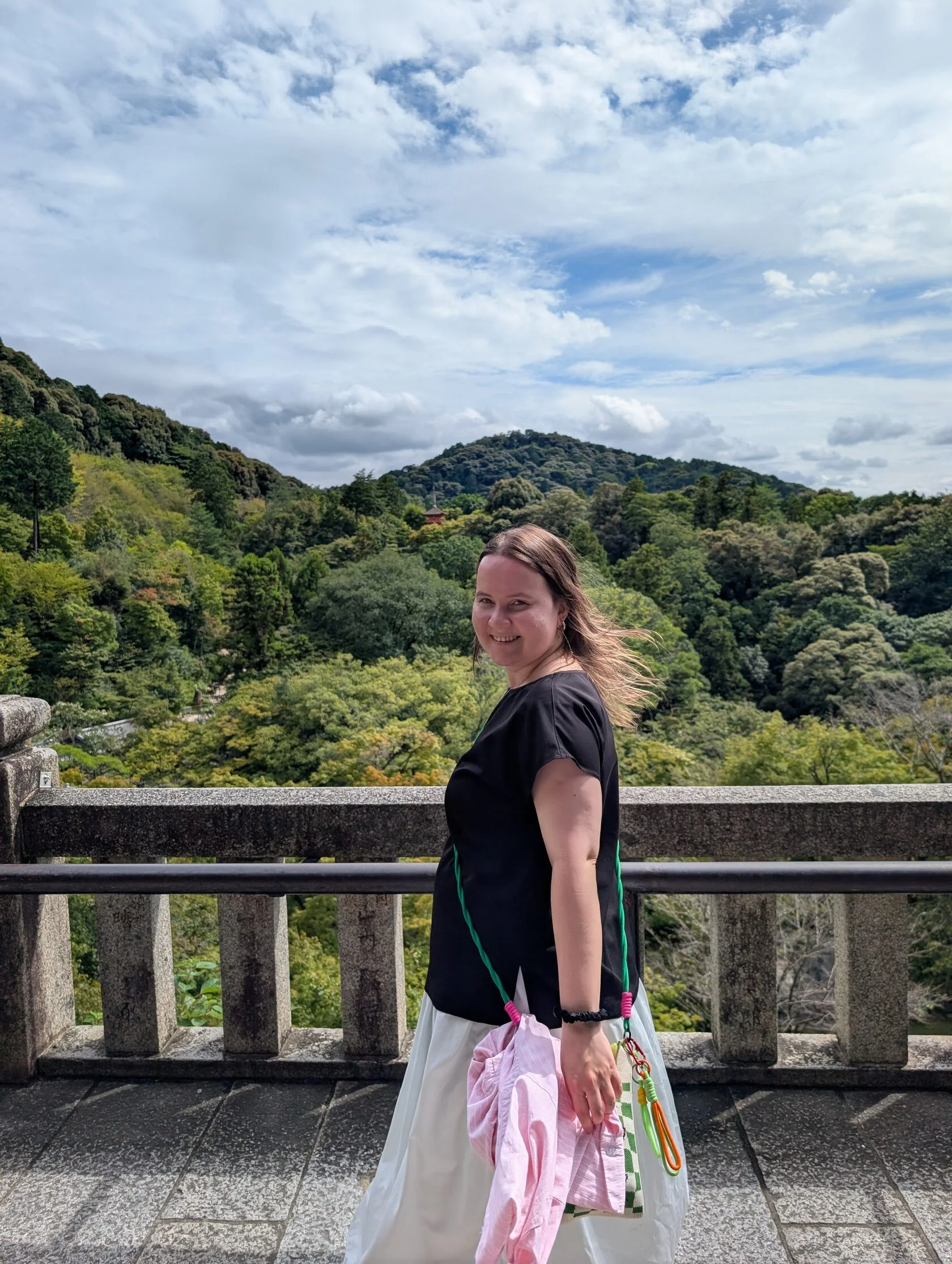
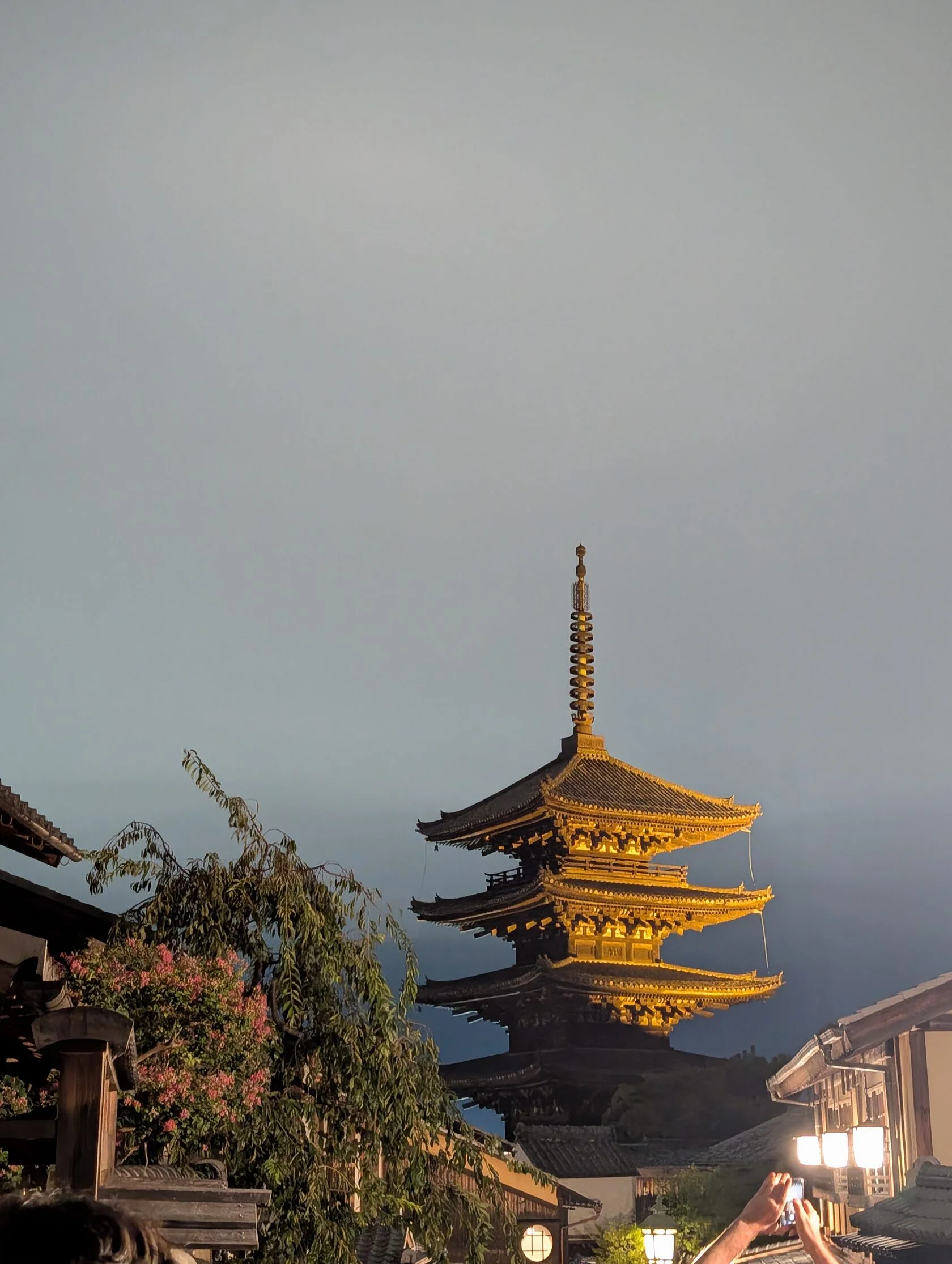
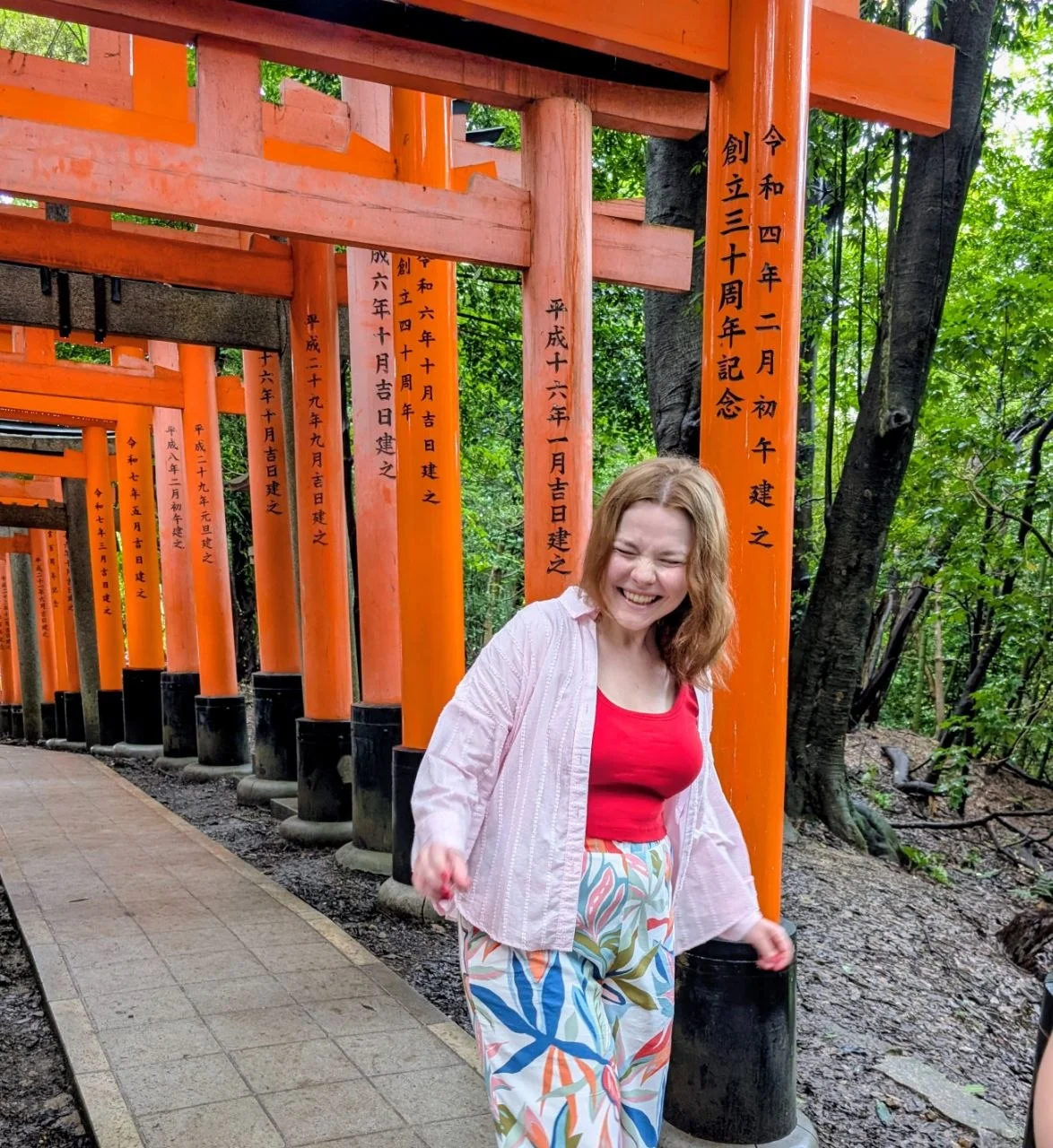
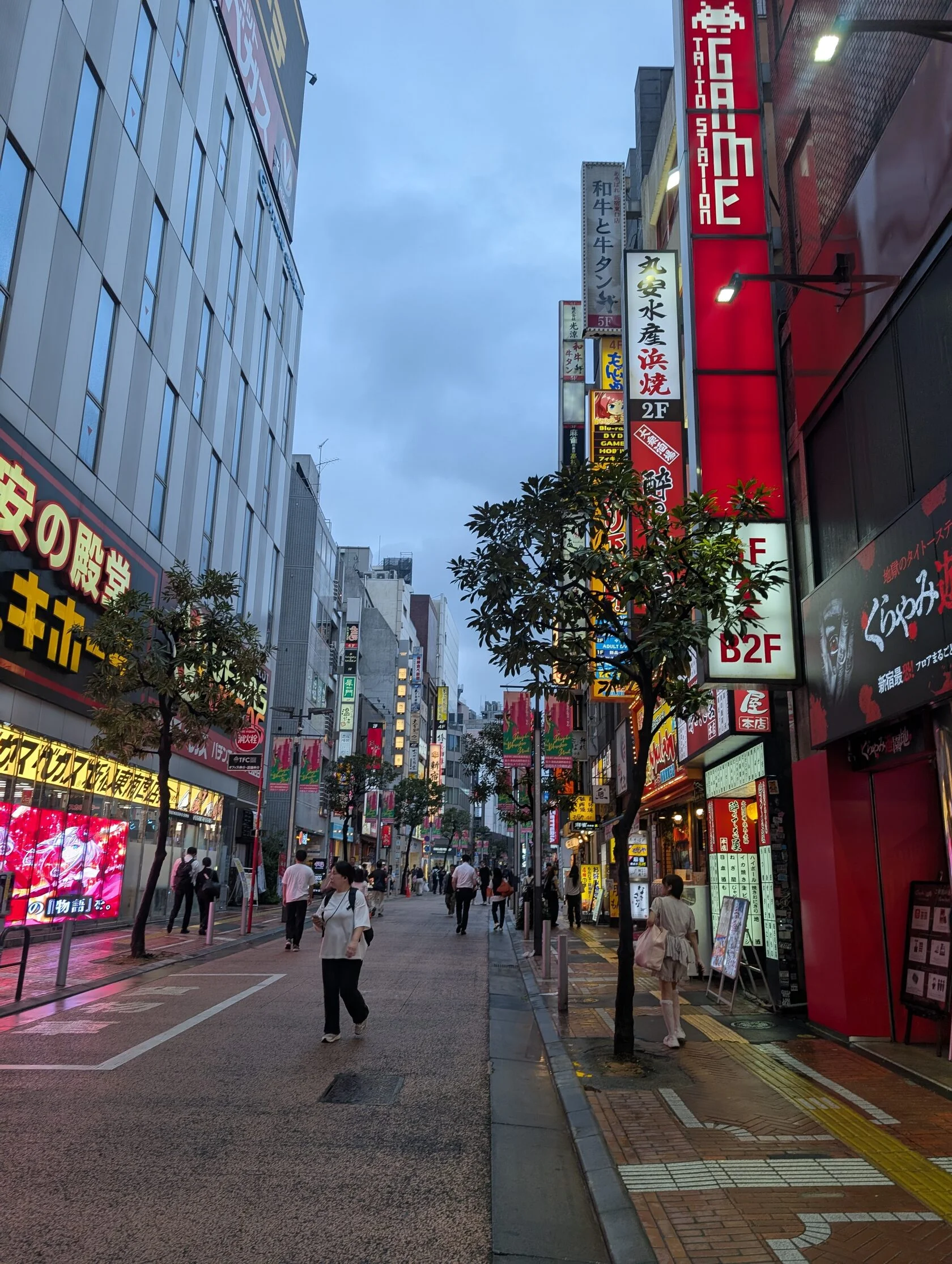
Temples in the morning, neon at night, street food in between — filmed on the road with one of our groups. This is what ten days in Japan actually look like.
Choose your datesWe open new dates regularly — if these don’t work for you, send us a request and we’ll let you know about the next ones.
Autumn in Japan: mild weather, crisp air, the first maple colors and clear views of Fuji.
🍁 Autumn colors season
🎍 New Year in Japan: hatsumode, the first shrine visit of the year, decorated streets and a completely different, festive country.
🌸 Cherry blossom season
We’ll suggest flights from your city that line up with the tour dates. The trip starts in Tokyo and ends in Osaka, so you can fly into Tokyo and home from Osaka — we’ll help you put it together.
Wherever you’re coming from, we’ll meet in Japan. Tell us your departure city and we’ll get back to you with options.
Find flights Tatiana
I flew in for this trip straight from Europe — and didn’t regret a single second. Dilyara knows places you won’t find even in guidebooks.
 Liza
LizaI traveled alone and worried it might feel awkward — but the group bonded fast, and Dilyara knows everything like a local.
 Konstantin
I recently had the chance to take an amazing trip to Japan, and it exceeded all my expectations. Special thanks to the organizer, Dilyara — she put her heart into this trip.
 Rimma
RimmaI went to Japan a little nervous — the language barrier, an unfamiliar culture. But everything was thought through down to the last detail: the route, the lodging, the travel between cities. The Kyoto temples and an evening at the onsen after a long day were pure joy. Thank you for such warm, heartfelt organization.
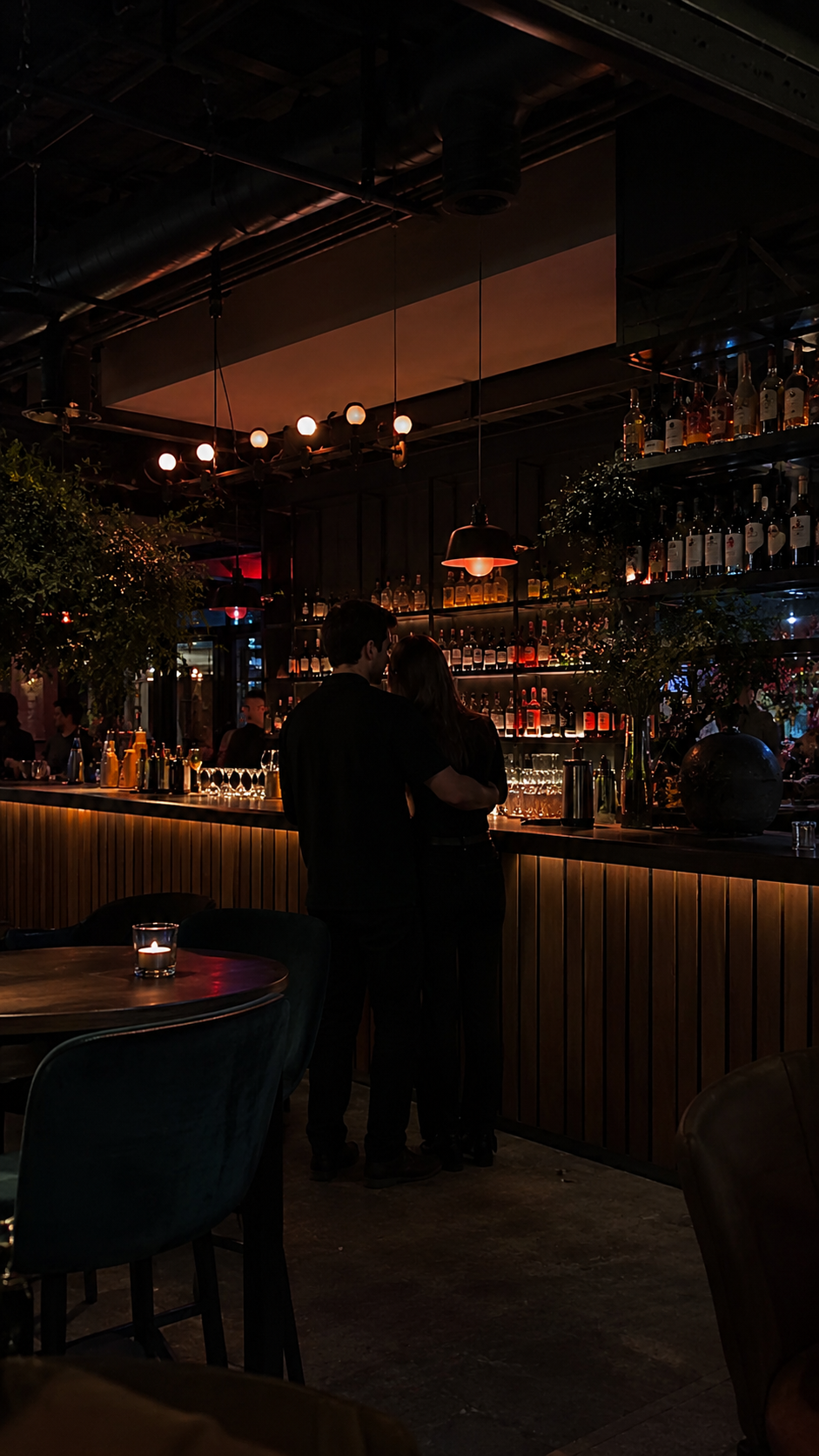 Katya & Roma
We chose Japan for our honeymoon — the best decision we could have made. The trip was so romantic: evening walks among the lanterns in Kyoto’s old streets, quiet temples, Mount Fuji at sunrise.
Accommodation along the route, trains between cities, the guided program, entrance tickets to the key sights, and breakfast and lunch every day. International flights to and from Japan are not included.
Not at all. We take care of all the logistics — trains, hotels, tickets — and you’re accompanied throughout the program.
The route involves a lot of walking and some climbs (for example, at Fushimi Inari or up to Kiyomizu-dera), but at a comfortable pace — no special training needed.
Yes — most travelers come solo. The group is small and friendly, and we can help you find a roommate if you’d like.
We’ll send you a packing list and an up-to-date seasonal forecast in a separate guide a couple of weeks before the trip.
Cancellation terms depend on how close to departure you cancel. We’ll send you the full terms before you pay.
